
7 Tips To Get The BEST Elopement Photographs in 2024!
Table of Contents
*Updated January 2nd, 2024
One of the best things about eloping is having the most beautiful wedding photos ever! If you’re eloping somewhere awesome, you might as well do everything you can to ensure you get the best elopement photographs possible! Having incredible images that document your elopement day will be so precious. Your friends & family will be dying to see them, so why not blow them away with how awesome they are!?!?!
As an adventure elopement photographer based in Northern Ireland, it’s my job to ensure you get stunning photos. Getting the best elopement photographs can be helped by planning your elopement day well & being prepared for a bit of an adventure!
How to get great elopement photos – 7 tips to get the best photographs ever!
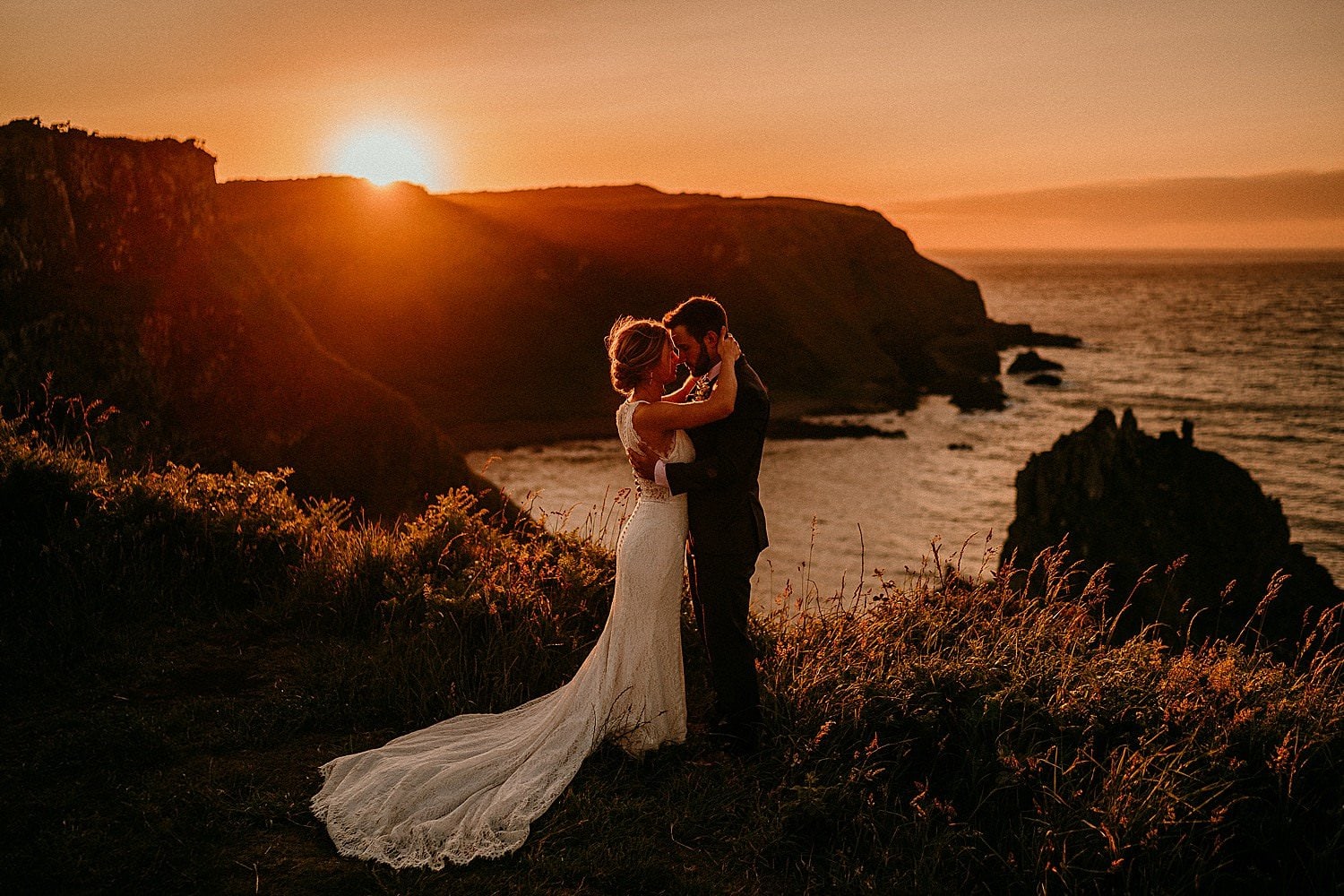
1. Plan your timeline around the best light
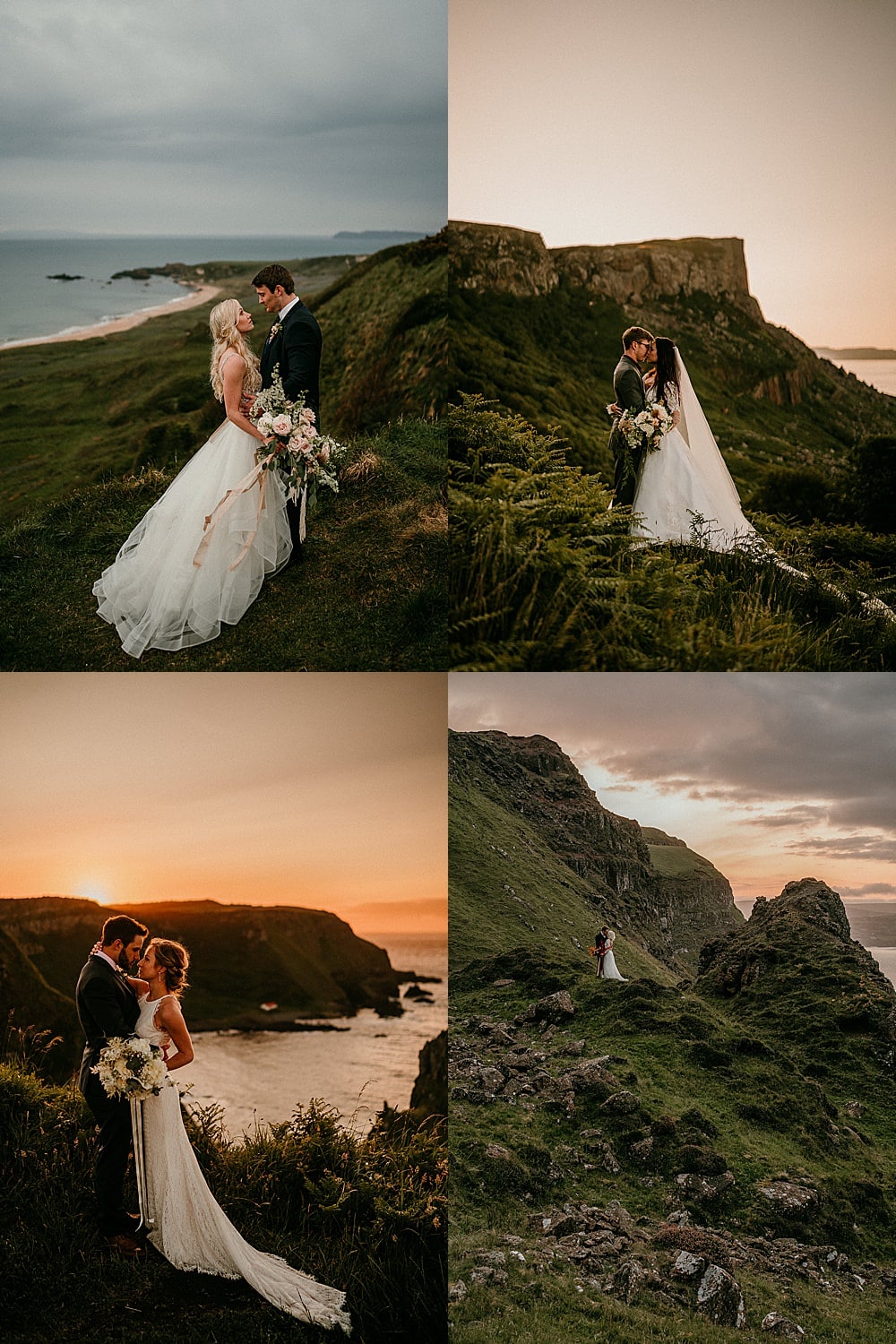
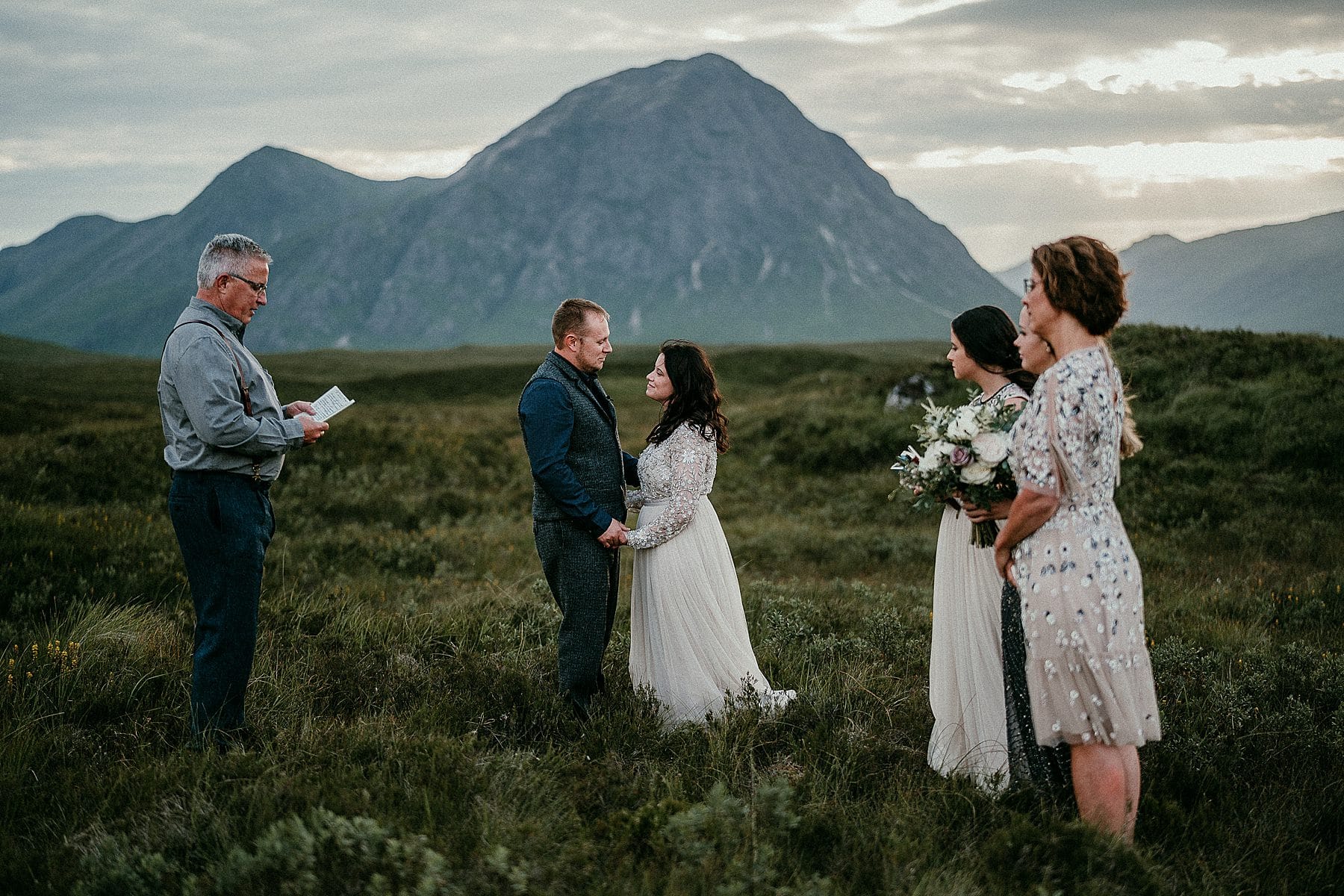
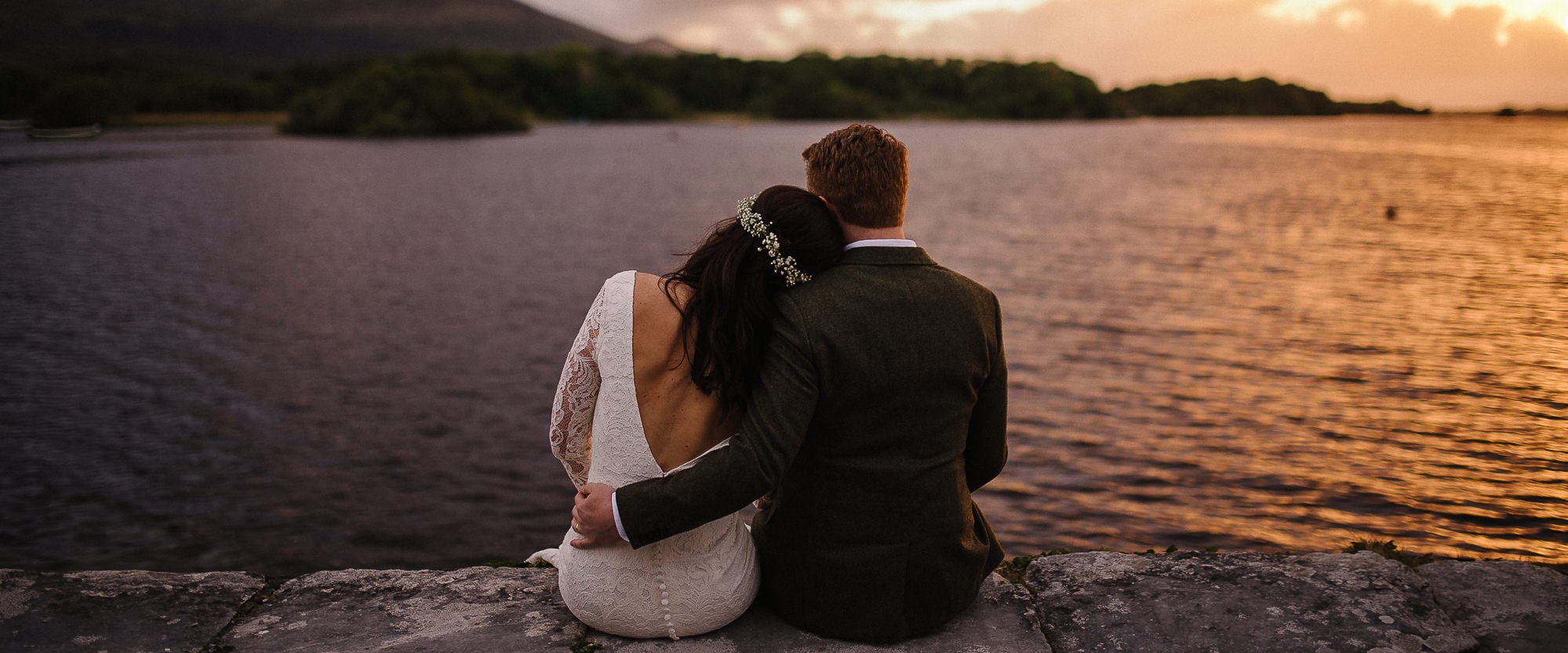
This has to come first because it’s probably the most vital element in getting the best elopement photographs! I help all my couples with it if we can create a really well-thought-out timeline that includes all the things you want to do on your elopement day. Plus if we get to do them in the best light, it will set us up for a win regarding your photos. Photography means “to paint with light”; if you’ve ever tried painting your house with cheap paint, you know that it does not give you the greatest results. The same is true with photography, if you want the best elopement photographs then you need to let your photographer shoot in the best light. The best light during the day is at sunrise & sunset, the worst light is at midday. When you see the words best light, think of soft light that is super flattering, gives amazing skin tones & looks pretty. When you think of bad light, think harsh shadows, panda eyes, extremely unflattering on your skin, etc. The further from midday you get the better the light gets. So when planning your elopement day, ideally you’ll have your ceremony & portraits near sunrise or sunset.
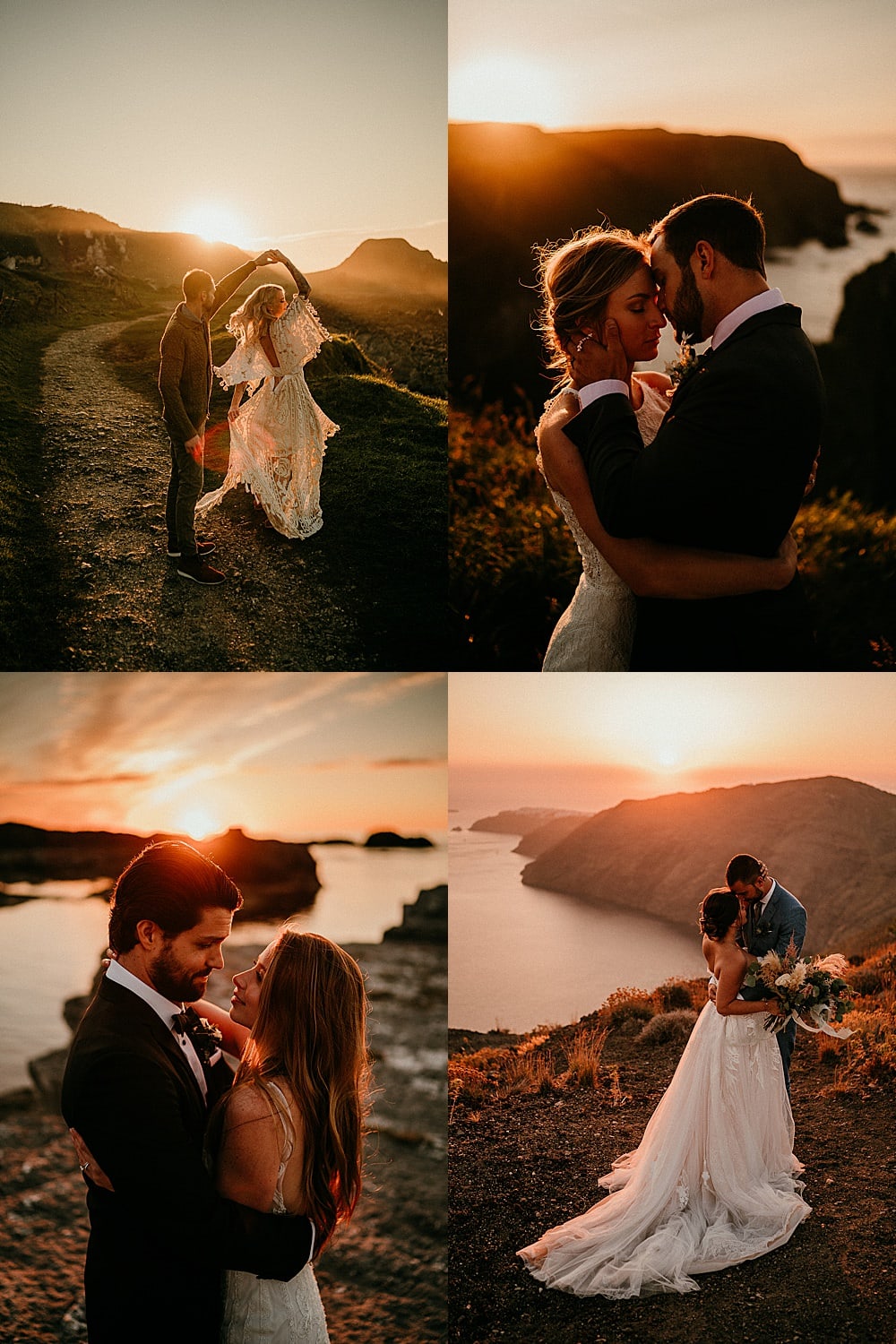
2. Have flowers to match the occasion & location
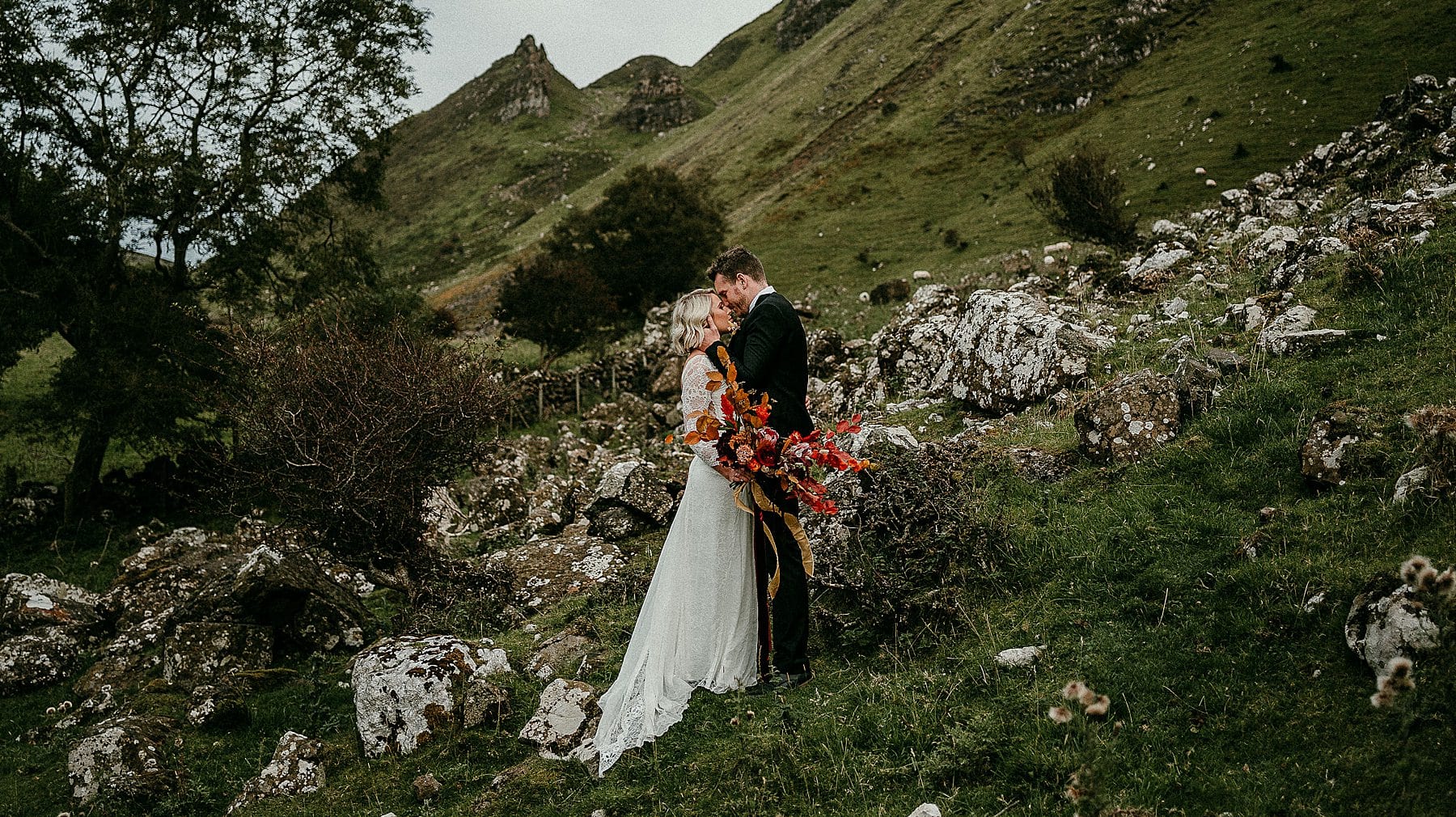
You’re saying your vows & having portraits in an amazing place, it’s time for what I call a “statement bouquet.” Your bouquet is one of your only details, so why not have something awesome? Regular-sized wedding bouquets pretty much get lost in the background from a visual perspective. Your flowers complete your look and totally add another dimension to your elopement photographs. Another benefit of holding a bouquet is that it gives you something to do with your hands, so many brides ask during portraits, “What shall I do with my hands?” That doesn’t happen when you’re holding a stunning bouquet.
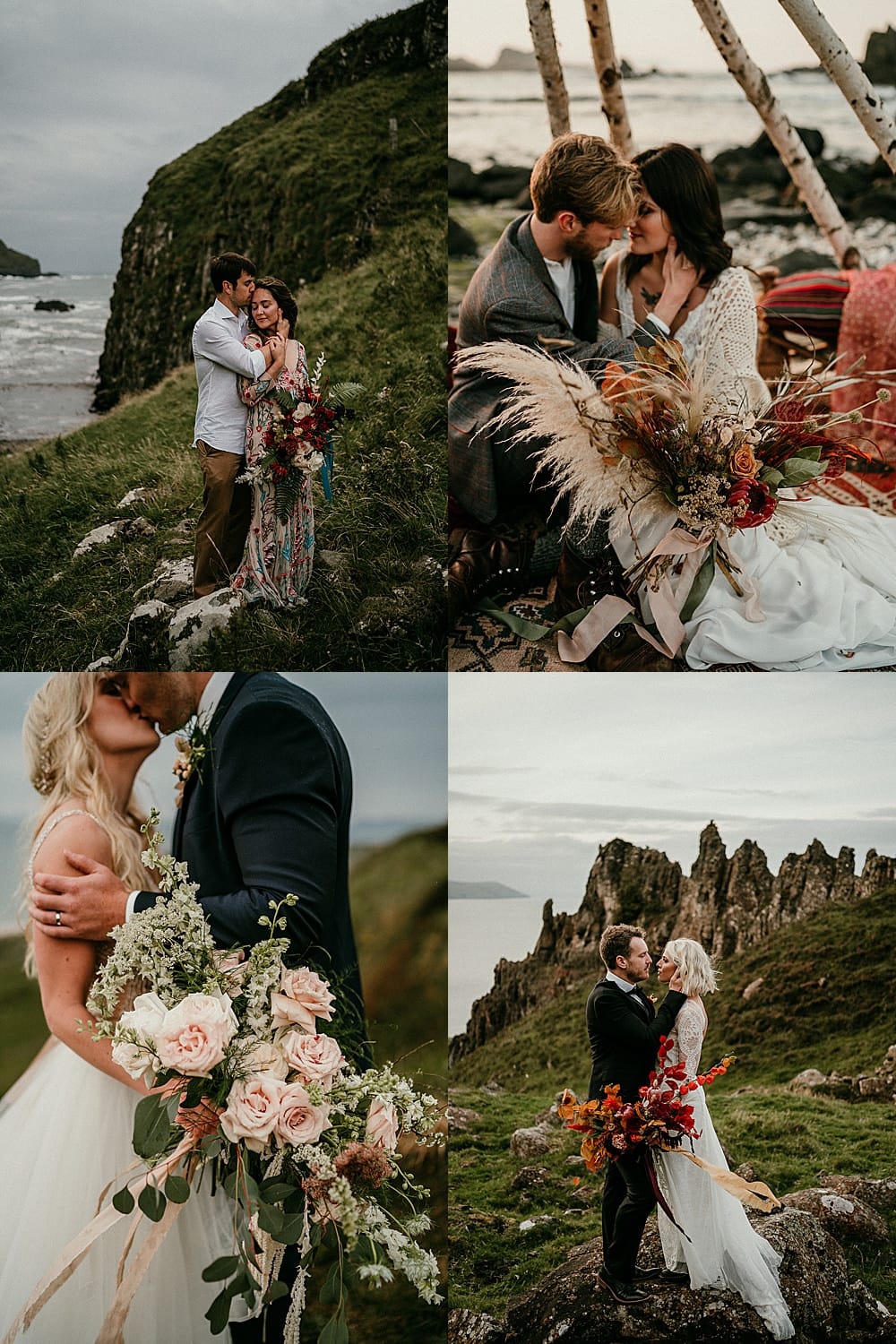
3. Be prepared to get a bit dirty
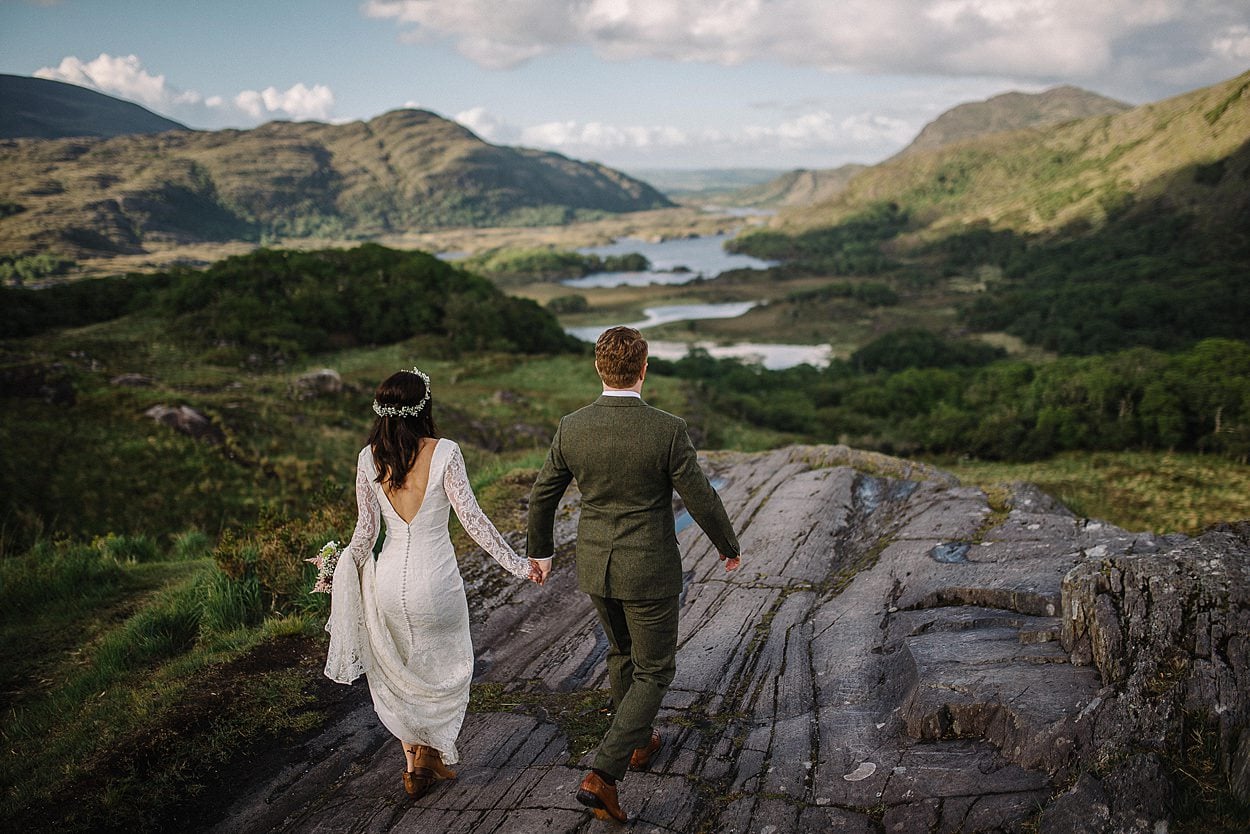
If you’ve decided on an adventure elopement (best decision ever by the way!), then you’ve said goodbye to perfectly manicured gardens at a typical wedding venue. You’ve said yes to getting outside & exploring awesome places, this means that more than likely you’re dress is going to get a bit dirty. If you’re eloping in Ireland, you’ll cross fields, climb over rocks, etc. What I love about being an adventure elopement photographer is that my brides now see a dirty dress at the end of their elopement day as a sort of badge of honor. I always say, “The dirtier the dress, the more fun the bride!” It’s not about getting your dress dirty on purpose; that would be silly; it’s just about having the best fun exploring with your love and not worrying about a bit of dirt here and there. Trust me, it’ll be worth it when you see your photos!
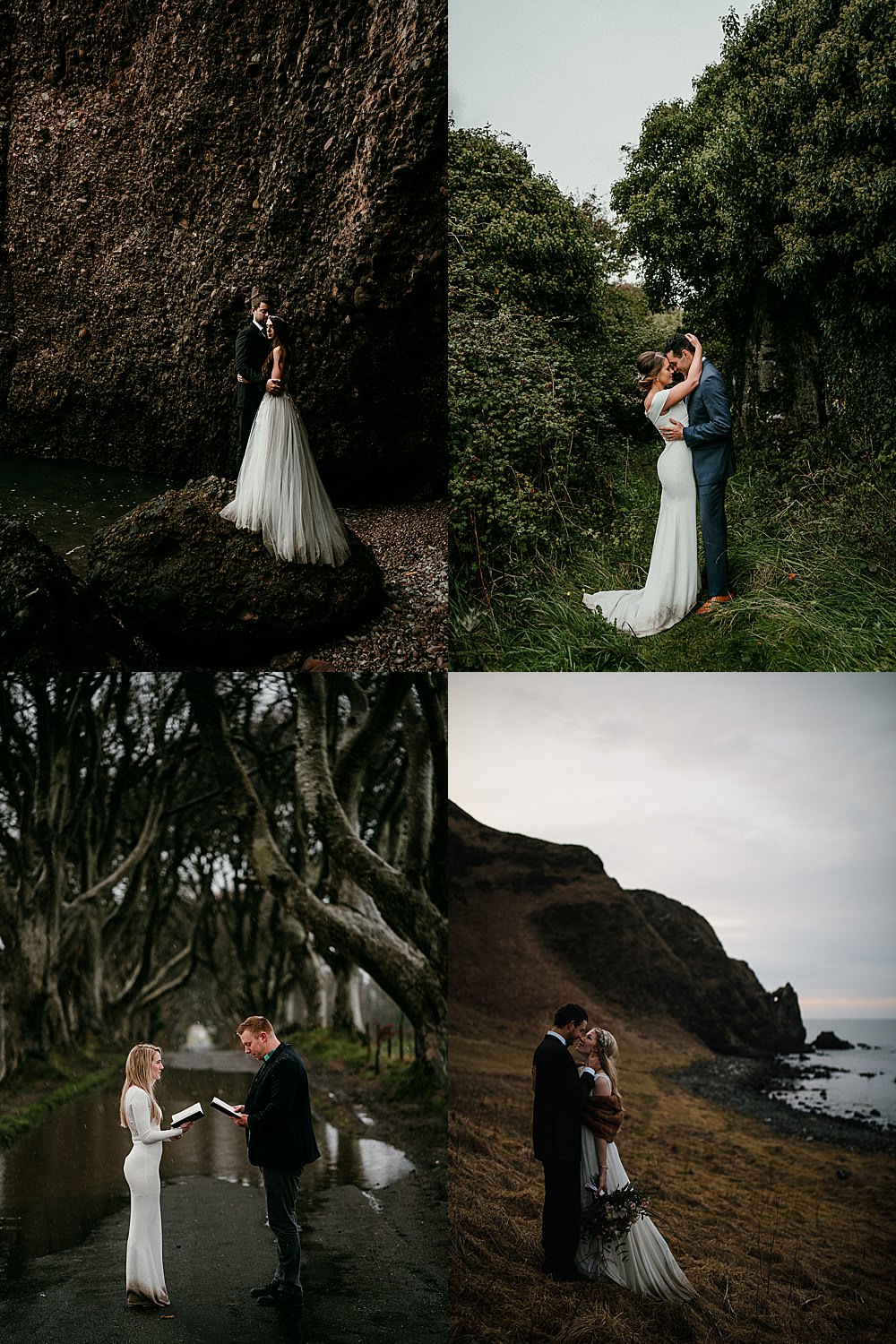
4. Get a dress that you can move in & wear hiking boots
If you’ve ever been to a regular wedding, you’ve no doubt seen a bride who struggles to move anywhere, clearly can’t breathe & most definitely isn’t having a good time. You really do not want a dress like that for your adventure elopement. You will be hiking, clambering over stuff & generally moving around lots. Important questions to ask when finding your dress: Can you move, run, and explore? The next important thing is footwear; sometimes, to get to the amazing viewpoint, you must hike across a muddy field or climb over rocks. Jimmy Choos just aren’t going to cut it or keep you safe. You can always bring a pair of heels with you when you get to a nice flat spot if you really want.
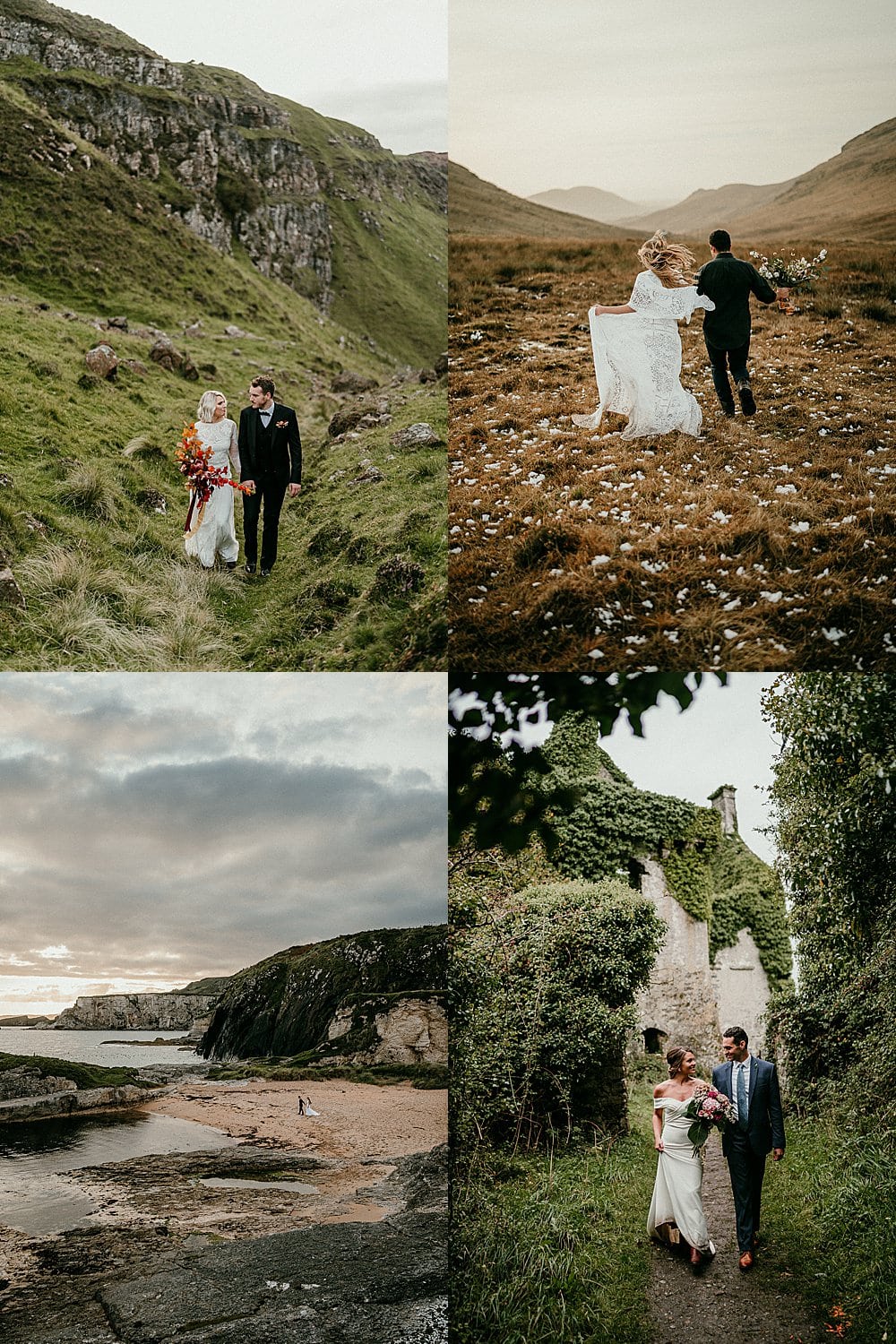
5. Hit some locations that aren’t “Instafamous”!
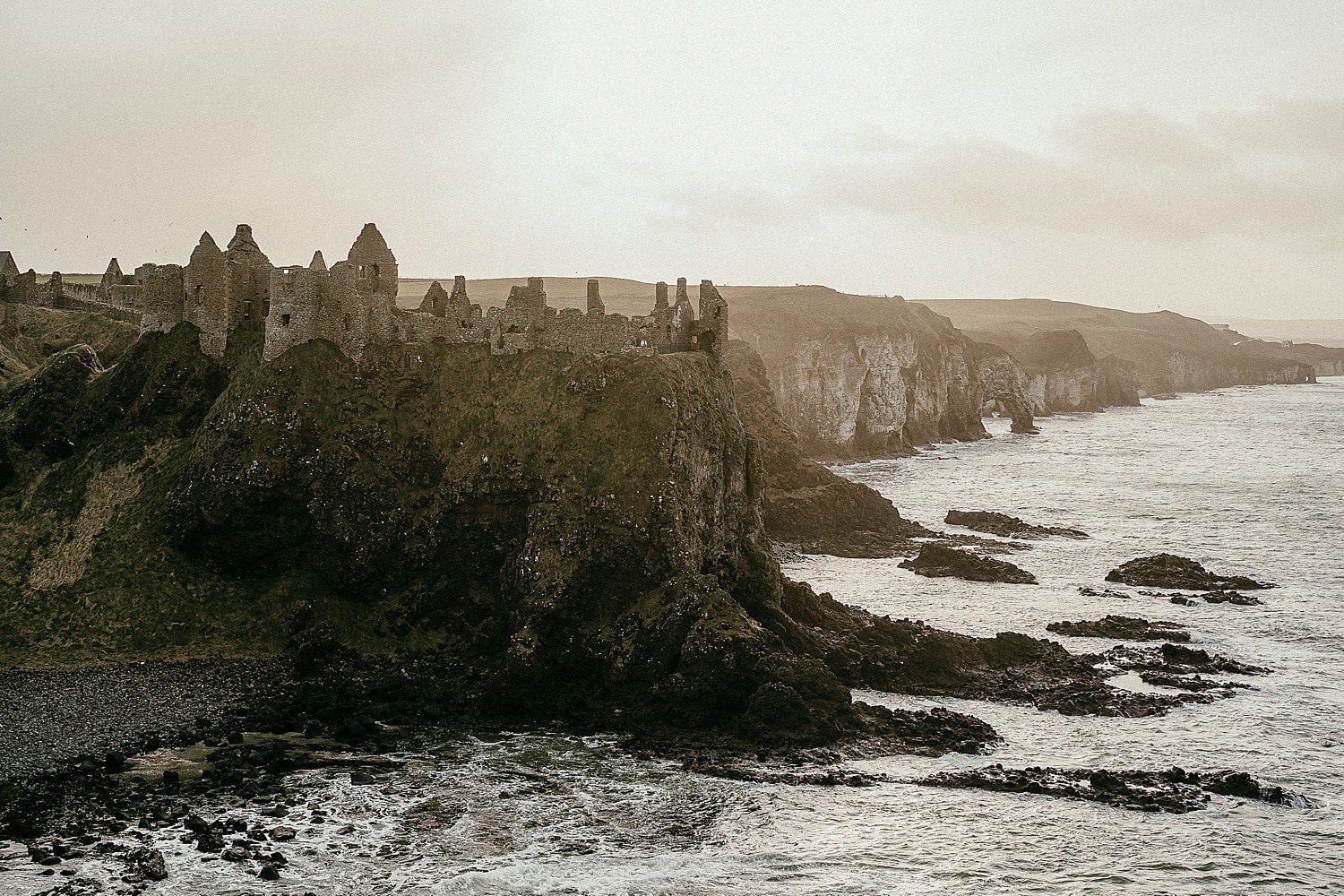
If you’re traveling somewhere for your adventure elopement, you’ve no doubt been drawn there because of a couple of iconic locations. If you’re coming to Ireland, you’ve probably been looking at Dunluce Castle, The Dark Hedges or the Cliffs of Moher, if you’re heading to Iceland you’ve no doubt seen amazing photos of Skógafoss waterfall, if it’s Yosemite it’ll be Half Dome at sunset. You get the idea. I love shooting in places like these, they’re famous for a reason. They’re amazing places & this means they’re often busy. There’s so much value in hiring an adventure elopement photographer who knows the area well because they’re going to know about the places that no one else does. There are hidden gems off the beaten track that are so stunning & secluded, imagine having the whole place to yourself, rather than heading to the famous spot & finding yourselves saying your vows whilst surrounded by tourists doing selfies. One way to shoot the famous spots is to head there at dawn, at 5 am most places are pretty quiet.
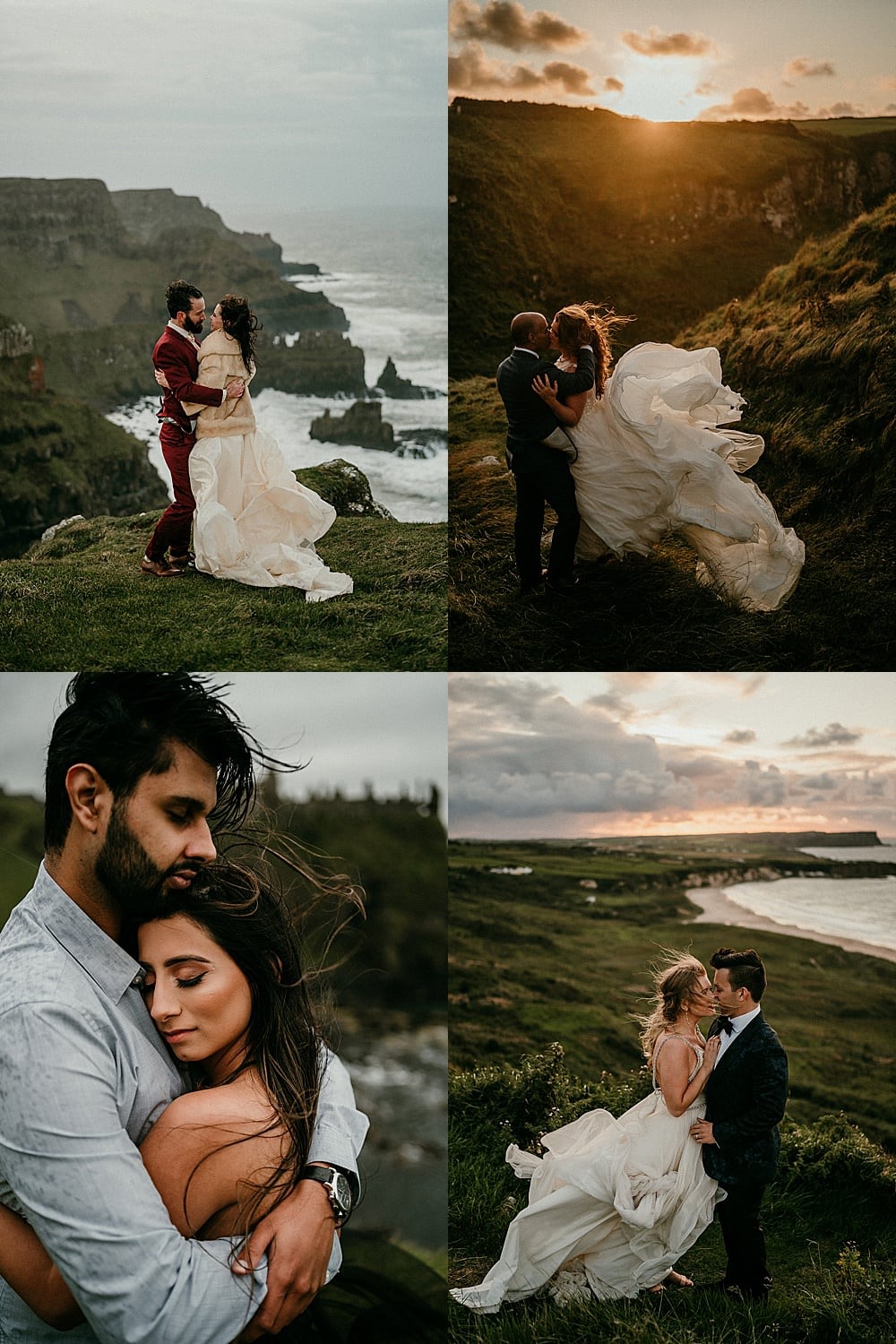
6. Embrace The Elements
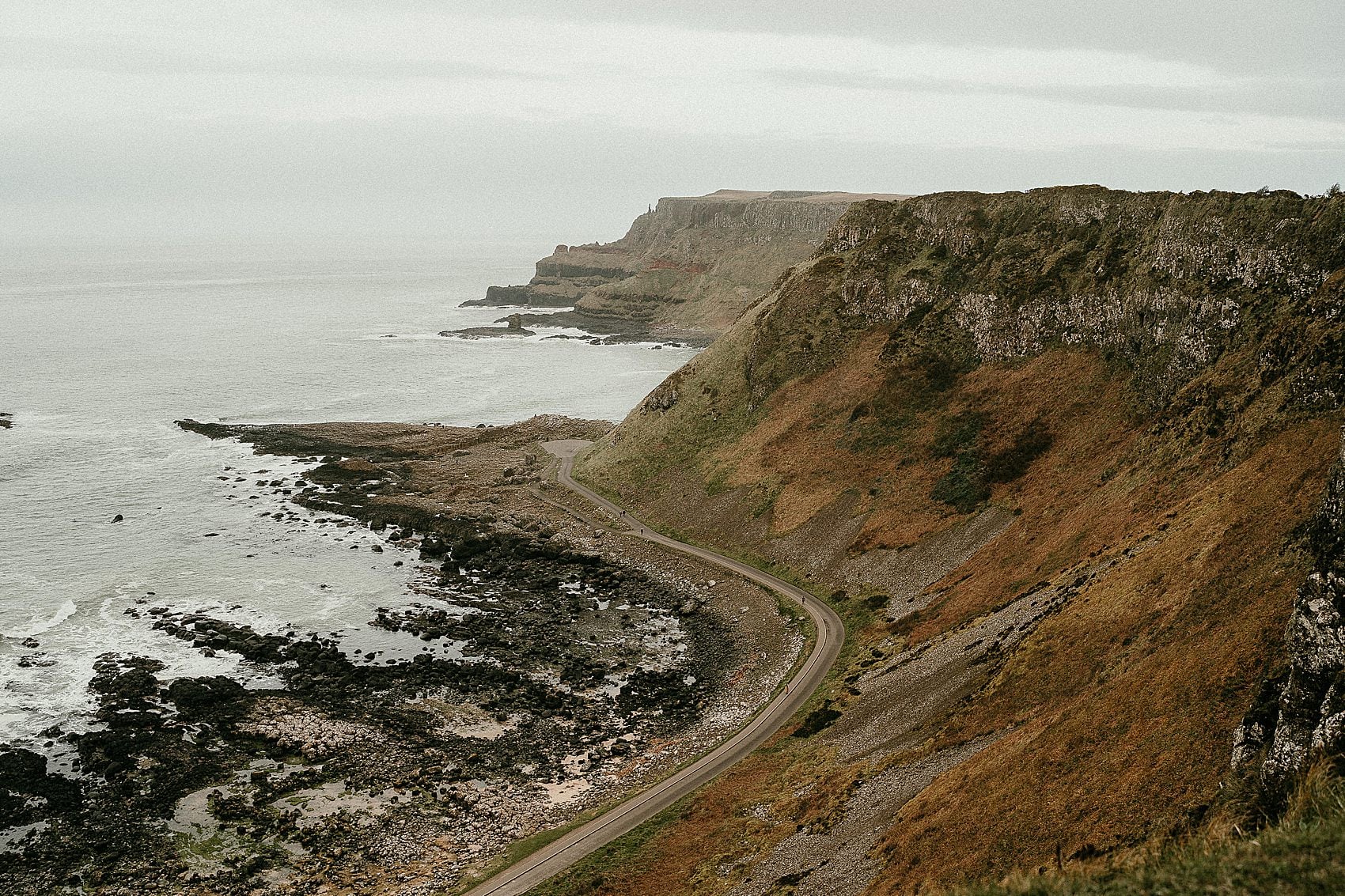
Couples who are brave & embrace the elements really do get the best images! It’s one of my favorite things about being an adventure elopement photographer, I love that my couples don’t freak out if it starts to rain or if it’s windy! I’ve actually had brides tell me that they want it to rain! It’s so different from shooting big weddings, where it’s the end of the world if there’s a bit of rain or if the wind blows a hair out of place. If the weather is “bad,” I get excited because I know the photos will be awesome. The tones you get when the sky goes dark and the rain starts falling are just so beautiful. We get a lot of windy days when couples elope here in Northern Ireland, and the combination of strong winds & flowy dresses is hard to beat! So if you’re eloping somewhere awesome, embrace the elements! If you do, your photos will be unreal!
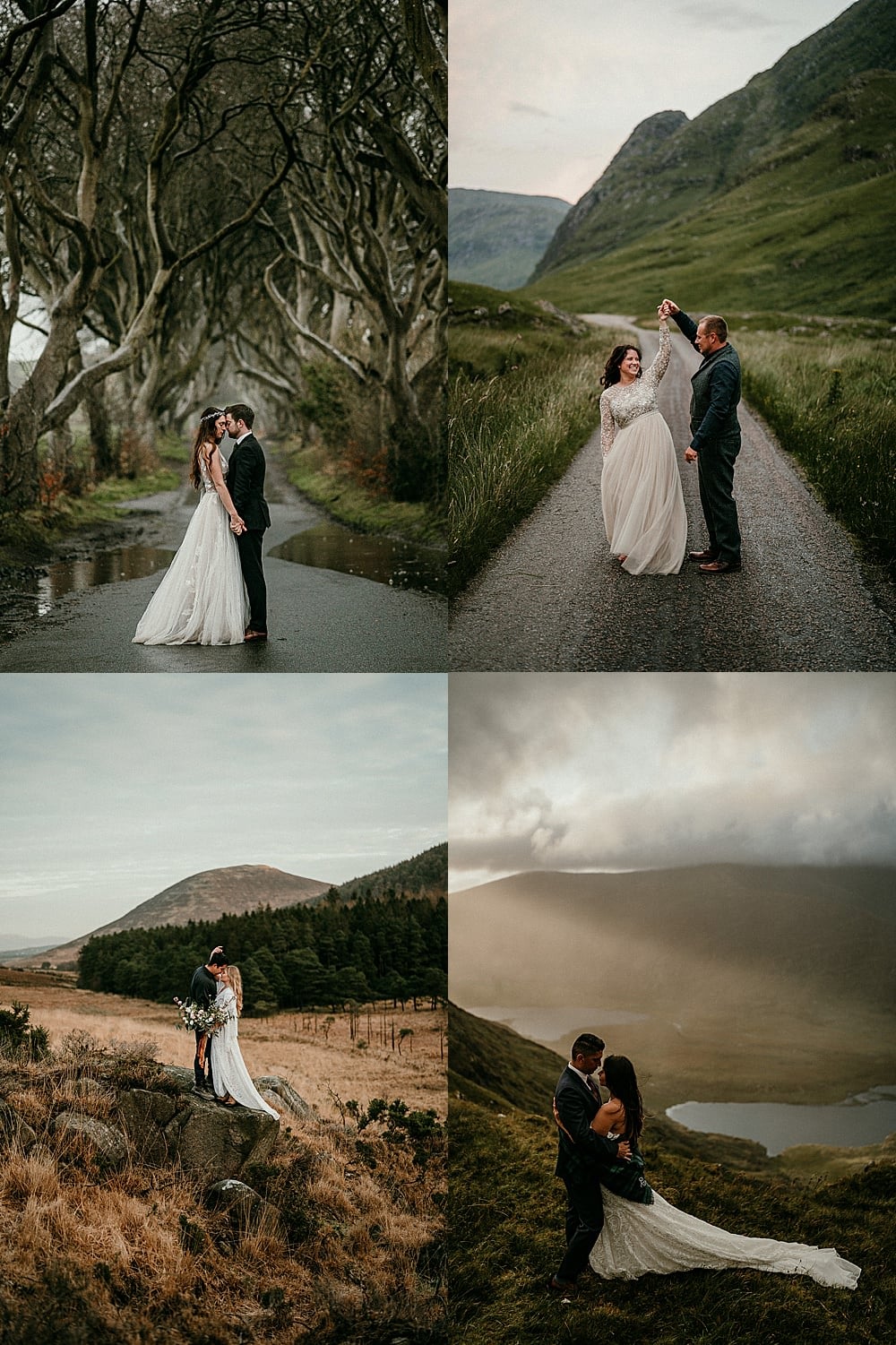
7. Have a day after session
If you’re traveling halfway across the world to elope somewhere awesome, it will make sense to make the most of your time there! A day after the session gives you the opportunity to travel a little further, hit a location that needs to be hiked to, or even if you’re in Europe, hit another country! If you’re eloping in Northern Ireland, you’ve never been closer to Scotland, a 30-minute flight and a short drive from Glen Coe or the Isle of Skye! There is no reason to limit yourselves and your adventure to one day and location! Many of my couples traveling to Northern Ireland want to hit the Dark Hedges (a famous road with cool trees from Game of Thrones), but it’s a super busy place, so we do a sunrise morning after session there when all the tourists are still in bed. A day after the session gives you another chance to hit amazing locations in the best light, you could do sunrise or sunset or both! There really is no limit to what you can do on your elopement adventure! So yes if you want to get the best elopement photographs a day after session is a no brainer!
The Best Elopement Photographs
Tip number 8 would be “hire an elopement photographer who takes awesome photos,” but you know that one already. If you’re eloping it really is worth going the extra mile to get the best elopement photographs. When you make the effort to travel so far to a beautiful place, you should plan around the best light, wear a dress you can hike in, embrace whatever the elements throw at you, and make sure that you have the most fun!
Elopement Planning Resources
If you’re at the start of planning your elopement adventure, I am so excited for you guys! If a big wedding isn’t for you, an adventure elopement is such a great idea! I’m an adventure elopement photographer based in Northern Ireland & I think this is the BEST place to elope on the planet. I’ve put 3 links at the bottom of this post to help you plan your perfect elopement day. So stick around and get inspired!
When you do choose where you’re eloping I’d LOVE to hear from you, I specialize in helping my couples have great elopement experiences whilst getting awesome photos in the process! Click HERE to inquire with me.
If you’d like to keep up with my latest adventures, make sure to check out my Instagram. Click HERE to check out my feed.
This is amazing! So informative and well thought out. This is the perfect guide for any couple wanting epic photos on their elopement day!
Thanks Alex!
DUDE!!! these photos are stunning! I love all these great tips you have. IM obsessed with your colors and tones
Thank you Sara!
All of these tips are so helpful for couples planning to elope. All of your images are stunning as well, they make me want to run right back to Scotland and also visit ireland!
Thank you Randi
such good tips!
Thank you!
Such great tips for elopement planning!
Thanks Naomi!
I love that you included matching photos with all the tips – as couples often don’t know about good light or why photographers love wind so much! 🙂
Thank you!
Rob! I could not agree more with your planning tips! Your work always blows my mind away! Bea!
Thank you Justyna!!!
Great minds think alike! I’m planning on writing a blog very similar to this because elopements are becoming more popular on the East coast of the US! YOur images are breathtaking and its no wonder why everyone seeks you for eloping! GORGEOUS!
Awesome Anna, I can’t wait to see that!
Wow your woek always lwaves me so speechless! Sucha great resource for couples wanting tk elope
Thank you Maya!
Yes! This is a great article and soooo true about planning for the good light
Thank you Heather!
Thanks so much for sharing these photos and ideas!
You’re so right about not hitting the instafamous locations. I’m always trying to talk clients into going to Canyonlands instead of Arches!
Oh I love the moodiness in your photos. Beautiful work!